.png)

Explore Pest & Disease Management with Wood Vinegar
Pests and plant diseases can affect crop establishment, plant health, productivity and quality across a wide range of farming systems.
Research has investigated Wood Vinegar in relation to plant pathogens, insect pests and plant defence responses, including its potential role within broader crop management strategies.
Explore what published research tells us about Wood Vinegar and pest and disease management, and where this developing area of research may fit within an integrated farming system.
Pest & disease management requires an integrated approach.
Crop pests and diseases are influenced by many factors, including crop species, plant growth stage, seasonal conditions and the presence of particular insects or plant pathogens.
Effective management often combines preventative practices, crop monitoring and targeted responses throughout the growing cycle.
Understanding the pest or disease present, the conditions favouring its development and the appropriate timing of management can help inform a more integrated approach to protecting crop health and productivity.
What Influences Pest & Disease Management?
Pest and disease pressure is influenced by the crop, the pest or pathogen present, environmental conditions and the stage of crop development.
Timing and early identification are also important, as pest populations and disease development can change throughout the growing cycle and require different management responses.
Crop & Growth Stage
Pest or Pathogen
Seasonal Conditions
Disease Pressure
Timing of Management
Crop Management Practices
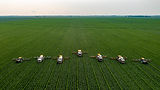
How Wood Vinegar May Support Pest & Disease Management
Research has investigated Wood Vinegar in relation to plant pathogens, insect pests and plant defence responses across a range of crops and growing systems.
Studies have examined antimicrobial and antifungal activity, pest responses and interactions with plant health. Outcomes vary according to the target organism, crop, concentration, application method and growing conditions.
Plant Pathogens →
Research has examined the effects of Wood Vinegar on fungi and other plant pathogens associated with crop disease.
Plant Defence →
Studies have investigated how Wood Vinegar may interact with plant physiological and defence responses.
Insect Pests →
Published research includes studies examining Wood Vinegar in relation to insect pests and crop damage.
Integrated Management →
Research is exploring where Wood Vinegar may have a role alongside established pest and disease management practices.
Supporting Research
Published research has investigated Wood Vinegar in relation to plant pathogens, insect pests, plant defence responses and crop protection across a range of crops and production systems.
Explore studies examining these interactions, including research into antifungal and antimicrobial activity, pest responses and the potential role of Wood Vinegar within integrated crop management.
Applying Wood Vinegar in Your Farming Program
PyroAg Wood Vinegar is designed to complement existing farming practices rather than replace established pest and disease management strategies.
Application methods and rates vary according to the crop, production system and intended use. For current PyroAg application guidance, explore the information for your agricultural sector.
